“first wash” search results (8000)
How to treat green coffee beans? Sunlight treatment Ethiopia Sunlight Ye Jia Xue Fei Ye Jia Xue Fei G1
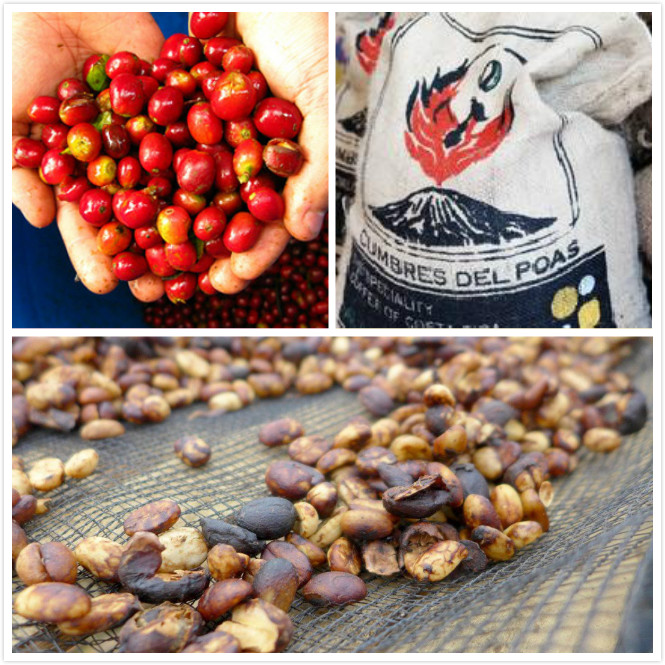
Solarization is a traditional method of primary processing of coffee beans, and ancient coffee growing countries such as Ethiopia and Yemen still use solarization almost exclusively for raw beans. Sun-drying begins by spreading tank-identified beans, ripe or semi-ripe, on a drying ground. The exact time depends on local climatic conditions, and generally takes two weeks to four weeks.
2016-04-25 coffee green beans processing method sun ethiopia yega sherry
How many treatments are there for Brazilian coffee? Brazilian coffee flavor
The four most common treatment methods of Brazilian coffee are natural solarization, desizing, semi-washing and water washing, among which natural solarization is the most popular. Since the harvest seasons in Brazil's two main producing areas, Serrado Minero (CerradoMineiro) and Mogiana Paulista (Mogiana Paulista), are both dry seasons of the year, natural solarization is popular in this region.
2016-06-06 Brazil coffee how much treatment way flavor common four kinds
Fine coffee Rwanda coffee treatment method washing, elevated scaffolding sun drying
Rwandans have been growing coffee since colonial times, but until 1999, its products were still classified as below Class C and were not popular in the global market. The reason for the poor quality is that farmers do not have a fixed procedure for washing coffee beans and do not process coffee fruits according to specifications in time. Buyers buy coffee beans at $0.33 per kilogram, and farmers keep warm by the meagre profits earned at low prices.
2016-05-15 Boutique coffee Rwanda flavor washing viaduct scaffolding sun drying Luwang
Processing Technology of Brazilian Coffee Raw beans semi-washing Commercial Coffee Bean Italian blending Formula
Boutique coffee is fresh coffee. Whether it's food or drink, of course, the fresh the better, and so is boutique coffee. High-quality coffee should keep the coffee beans fresh before making, including the preservation of baked beans, and grind the coffee beans into powder before making, which is also to retain its original and best flavor. And the way of making hand-made coffee is such a way to make high-quality coffee.
2016-06-27 Brazil coffee raw beans treatment craft semi-water washing commercial coffee beans Italian style
Introduction to the basic concept of raw beans small beans are not good.
Douxiao doesn't look good. Grading: the seeds are taken out and then screened and graded. Guatemala, Costa Rica and other countries are rated according to the planting height, more than 4500 feet above sea level is the highest "extremely hard bean" (SHB). Colombia, Kenya and New Guinea are graded by particle size, with larger and higher grades (with the exception of Kenyan beans). In addition, there are some producing countries in accordance with the defects.
2015-07-29 Raw beans basic concepts introduction small beans not necessarily bad not good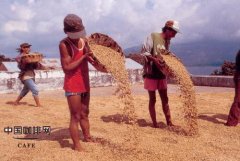
The method of primary processing of coffee drying method and washing method
There are many initial processing methods of coffee, which are mainly divided into dry processing, wet processing and semi-dry processing. Here we briefly introduce the first two processing methods. 1. Dry processing (dry process): the fresh coffee fruit is dried into dried fruit, and then the dried peel is removed mechanically to prepare raw coffee. 2. Wet processing (wet process): coffee fruit in aqueous medium
2015-10-19 Coffee primary processing method drying French water washing coffee very
Why does Sumatra use semi-washing?
Bean selection: first put the coffee fruit into the big water tank, move the red fruit and semi-green and semi-red fruit into the pulp sieving machine to remove the pulp and impurities. Remove pectin: take out the coffee beans, do not need to take the sun, let alone pour into the sink to ferment, but directly into the next pectin scraper, only a small amount of water can scrape away the sticky pectin chips mechanically. Exposure:
2016-06-05 Sumatra why use half water wash choose beans coffee fruit put in
Washed beans-Highland Honduras Coffee beans San Juan Xido producing area
High-quality coffee in Honduras uses water washing to deal with coffee beans, usually after soaking, when the defective fruit will surface, it can be discarded first. Then put the good fruit into the fruit peeling machine and peel off the peel with the rotating force of the machine. Peeled fruits are screened by machines to select fruits of high quality. Usually the bigger the fruit.
2016-06-16 Washing Highland Honduras Coffee beans San Hu Theto producing area High
Brief introduction of Salvadoran Coffee introduction of Salvadoran Coffee Manor with washing treatment and Sun drying
A brief History of Coffee production in 1742, coffee was introduced to El Salvador from the Caribbean (1740). In the mid-19th century, El Salvador's original export pillar Indigo (one of the dyes) received a gradual decline in the development of synthetic dyes in Europe, and coffee gradually became the main export product under the guidance of the government. In 1856, the first 693 bags of coffee beans were shipped to Europe. all long
2016-07-12 El Salvador coffee profile washing treatment solarization drying manor producing area introduction
General situation of Ethiopia Ethiopia first China Coffee, the Top Ten Coffee producers in the World
Ethiopia is one of the major producers of Arabica coffee in Africa, producing the best Arabian coffee in the world. It is said that coffee was first discovered by shepherds in Essekafa, and the name of coffee evolved from Kafa, so Essex is still the hometown of coffee. The geographical environment of coffee production and processing is very suitable for coffee growth. Coffee is mainly cultivated.
2016-04-26 Ethiopia profile World Top Ten Top Coffee producing country first China
Burundian boutique coffee beans flavor and taste characteristics story Burundian bourbon coffee varieties
The chaos of Burundian coffee has been going on for a long time, with a large number of old and new raw beans mixed together, making this coffee unsuitable for grading. This coffee is rough but mild, and has characteristics similar to Kenyan coffee. The flavor is sweet and fruity, with a slightly spicy finish. Dry aroma (1-5): not suitable for wet aroma (1-5): not suitable for acid
2016-07-12 Spicy aftertaste Burundi coffee beans flavor taste introduction boutique coffee cloth
What are the production methods and methods of coffee?
The drying method is relatively simple. First of all, spread the freshly harvested fruit on the sun field for a week or two until the fruit crackles and dries naturally. After that, the dried pulp, endocarp and silver peel are removed by a sheller. Coffee beans refined in this way are slightly sour and slightly bitter. Almost all coffee beans from Brazil, Ethiopia, Yemen
2016-06-12 Coffee which mode of production production method drying more simple first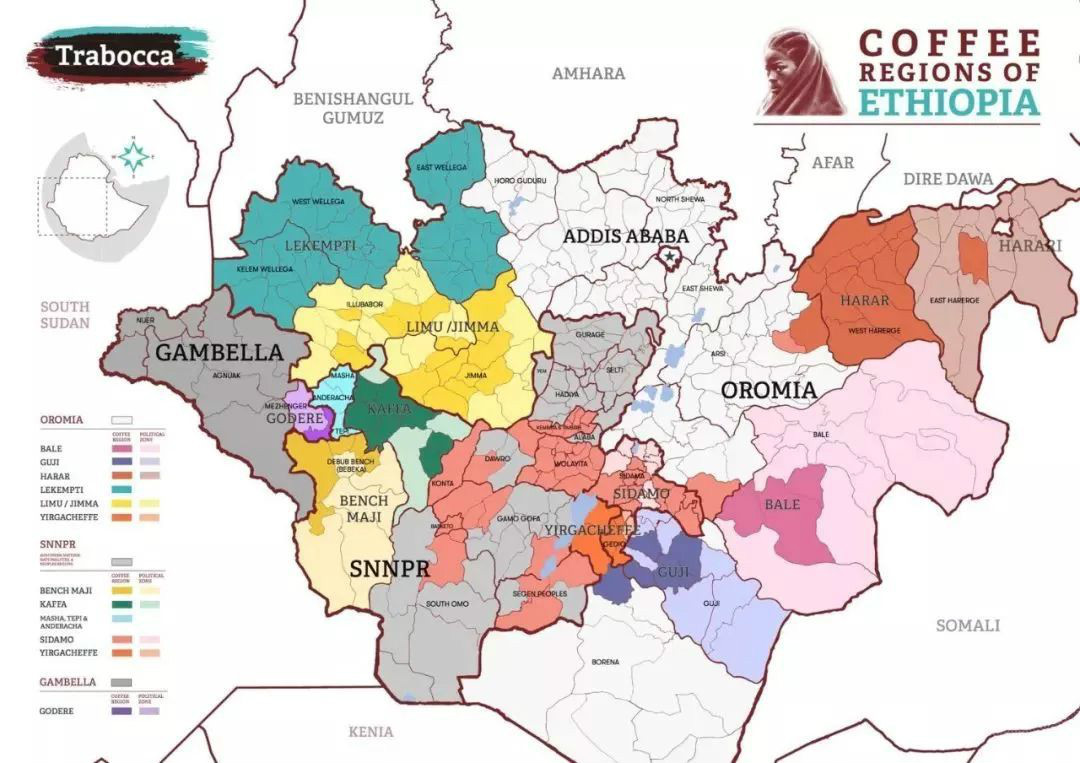
Introduction to the flavor of boutique coffee beans in the manor
The bean comes from a single farm, Ethiopia, and is processed by the Waka Cooperative (Worka cooperative). Alemayehu Alako Farm is a member of the Waka Cooperative. The Waka Cooperative, located in the south of Gedeb District, was founded in 2005 and joined the famous Yejia Sheffield Coffee Farmers Cooperative Union (YCFCU,Yirgacheffe Coffee Farmers Cooperati).
2016-09-01 Personality distinctive sun Yega variety characteristics taste manor boutique coffee beans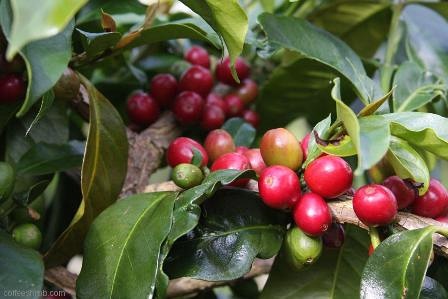
Is the washing of Tarazu Diamond Villa Garden in Costa Rica Robusta or Arabica?
Global coffee bean tree species are mainly divided into: Arabica and Canephora, of which Arabica coffee beans account for more than 100 coffee varieties of 70%80%coffee. The more common coffee varieties are: Arabica Arabica, with outstanding personality and unique flavor, is the main force of boutique coffee, mainly used in coffee shop management and high-end coffee market supply; Robsta
2016-04-22 Costa Rica Tara Pearl Diamond Stone Hill Manor Water washing Robes Booth or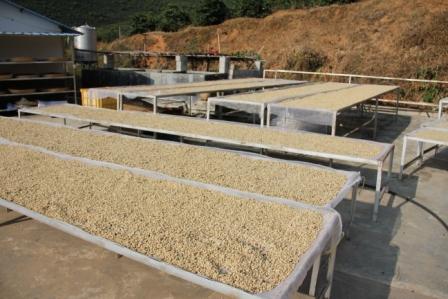
Costa Rican boutique coffee beans Costa Rica Tarazu Diamond Villa washing SHB Kaddura
Costa Rican coffee plants were imported from Cuba in 1779 and exported for the first time in 1820. There are now about 32000 coffee farmers, with an average of less than 10000 yuan per farmer. Costa Rica has a population of 410 million (2006), an active coffee planting area of 82500 square meters, an annual output of 1.7 million bags (60kgs per bag), and an annual consumption of 38 million bags in China.
2016-04-01 Costa Rica boutique coffee beans Tara Pearl Diamond Stone Hill Manor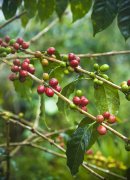
Brazilian Green Coffee Processing Craft Coffee Green Coffee Merchant American Fine Coffee
The four most common treatments for Brazilian coffee are sun, desizing, half-washing and washing, with sun being the most popular. Since the harvest seasons of Cerrado Mineiro and Mogiana Paulista, Brazil's two main producing areas, are both dry seasons of the year, natural solarization is common in this area.
2016-06-24 brazil coffee green beans processing craft americas fine common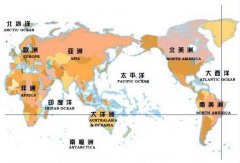
Deep roasting of coffee cooked beans in Costa Rica Saint Roman Water washing Plant in Tarazhu production area
Costa Rica is the country where coffee was first introduced into Central America. It has a long history and has a complete coffee organization from production to marketing system. Because it is located in the Central American Gorge, there are many volcanoes, it has the natural advantages of sunshine and land, and the climate is reconciled by Pacific and Atlantic currents and sea breeze at the same time, the coffee produced has the characteristics of local micro-climate, in terms of quality and quantity.
2016-07-07 Tara production area depth Baking Costa Rica Roman washing processing Plant Coffee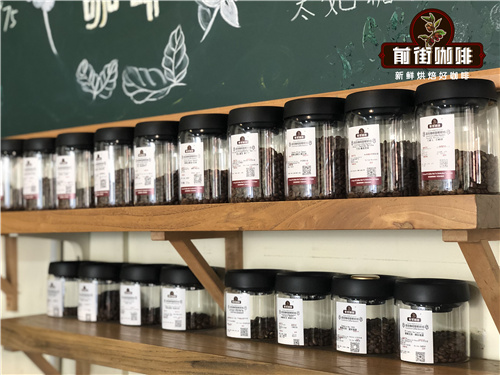
Burundian Coffee Bean Flavor Story recommendation of Burundian boutique coffee beans in Burundi coffee producing area
The coffee production type of Bloomberg is similar to that of Yisuobi, and most of them are produced by small ones. Farmers in the Nielu Deer Co-operative Society (Nyarunasi Cooperative) send their harvested ripe fruits to the processing system for unified treatment. The coffee collected by the people is washed and processed with traditional water. After the fruit is removed, the coffee is soaked and washed in the sink and placed on the scaffolding to be dried every day.
2016-07-28 Burundi coffee beans flavor introduction coffee producing areas boutique bron raw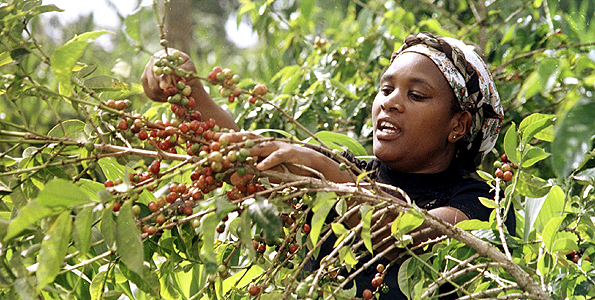
African Coffee Manor Musiui treatment Plant in the western province of Rwanda washing and treating bourbon boutique black coffee
Like many African countries, Rwandan coffee is mainly produced by small farmers, and the ripe cherry fruits are collected and sent to the processing station every year during the harvest period. During the annual harvest period, the ripe coffee berries picked by farmers are concentrated in the treatment station for treatment, first selected by hand to ensure that no immature or damaged fruit is mixed in. Then remove the peel in a cool, cold ring
2016-03-28 Africa Coffee Manor Rwanda Western Province Muxiu treatment Plant washing treatment
Water washing method for the primary processing of coffee beans
Washing is the most popular and widely used method of raw bean treatment at present, and most of the boutique coffee beans will choose the washing method. In South America, all countries except Brazil choose to wash raw beans. Source of pulp remover: Wang Zhendong washing method is the most scientific and technological method of all treatment methods, through multiple screening to ensure coffee beans.
2015-11-04 Coffee beans primary processing extraction washing treatment washing method at present popular should be